Accommodation & Resorts
The Canadian hospitality landscape is undergoing a profound transformation. Traditional hotel models are no longer the only—or even the preferred—option for travelers seeking authentic, memorable experiences. From boutique wilderness lodges in British Columbia to converted heritage properties in Montreal’s Plateau, accommodation providers are reimagining what it means to offer a place to stay. This shift reflects deeper changes in traveler values, investment priorities, and operational possibilities.
Whether you’re considering entering the hospitality market, diversifying an existing real estate portfolio, or simply understanding where the industry is headed, this comprehensive overview connects the dots between emerging guest expectations, viable business models, and practical operational realities. We’ll explore how experiential accommodation is reshaping investment strategies, what infrastructure changes mean for property owners, and how sustainability and niche marketing are becoming competitive necessities rather than optional extras.
The Transformation Toward Experiential Accommodation
The hospitality industry has witnessed a fundamental recalibration in what guests value. Rather than seeking standardized comfort, today’s travelers—particularly within the Canadian market—prioritize authenticity, local connection, and memorable experiences over predictable amenities. This shift has created opportunities for property owners who can deliver something beyond a bed and breakfast.
Consider the rise of accommodations that integrate local culture, whether through architectural design that honors Indigenous traditions in the Yukon, farm-to-table dining experiences in Ontario’s wine country, or immersive wilderness access in Quebec’s boreal forests. These properties command premium rates not despite their departure from convention, but precisely because of it. Guests increasingly view their accommodation choice as integral to their travel experience rather than merely a logistical necessity.
This transformation extends to glamping operations—a sector that has matured from novelty to legitimate hospitality category. Canadian operators have capitalized on the country’s natural assets, establishing safari-style tents in Alberta’s badlands, yurt villages on Vancouver Island, and geodesic domes in cottage country. The appeal lies in the combination of outdoor immersion with thoughtful comfort—a balance that requires careful planning but delivers strong occupancy rates and word-of-mouth marketing.
Wellness tourism represents another dimension of this experiential shift. Properties incorporating spa facilities, meditation spaces, forest bathing trails, or partnerships with wellness practitioners are tapping into a demographic willing to pay significantly above standard accommodation rates. The key differentiator is intentional design—spaces purpose-built for restoration rather than wellness amenities awkwardly added to conventional structures.
Investment Opportunities in Alternative Lodging Models
For real estate investors, the accommodation sector now offers pathways beyond traditional hotel development. Low-impact, high-yield alternative housing has emerged as a compelling category, particularly for properties in scenic or culturally significant locations where conventional development faces regulatory hurdles or would be economically prohibitive.
Small-scale structures—think shipping container conversions, tiny homes, or prefabricated cabin systems—allow for meaningful accommodation capacity with:
- Reduced capital expenditure compared to traditional construction
- Shorter development timelines and faster revenue generation
- Lower ongoing maintenance requirements
- Minimal environmental footprint, often facilitating easier permitting
- Scalability through modular additions as demand proves itself
Urban markets present different but equally intriguing possibilities. The conversion of small urban properties into hospitality assets—whether vacant commercial spaces, underutilized heritage buildings, or awkwardly configured residential structures—has gained traction in cities like Toronto, Vancouver, and Halifax. These conversions often benefit from existing infrastructure while offering the character and location that boutique-seeking travelers prefer over chain properties.
The commercial viability of these models depends on understanding your specific market segment. A converted Victorian home in Ottawa’s Glebe neighborhood serves different guests at different price points than a minimalist micro-suite in downtown Calgary. Success requires matching property characteristics with guest expectations and conducting rigorous financial modeling that accounts for occupancy seasonality, local regulatory requirements (including short-term rental bylaws that vary significantly across Canadian municipalities), and realistic operating costs.
Infrastructure for Evolving Traveler Segments
The rise of digital nomads—professionals untethered from fixed office locations—has created demand for accommodation that functions as temporary workspace and living quarters. Canadian properties positioning themselves for this market need to provide more than fast Wi-Fi. Successful digital nomad infrastructure includes:
- Dedicated workspace with proper ergonomics and lighting
- Reliable, redundant internet connectivity (critical in remote areas)
- Soundproofing or acoustic design for video conferencing
- Flexible booking terms accommodating month-long or seasonal stays
- Community spaces that facilitate networking among guests
This demographic often seeks mid-term stays in locations offering lifestyle appeal—mountain towns like Canmore, coastal communities on the Maritimes, or culturally vibrant neighborhoods in Montreal. Properties catering to this segment benefit from reduced turnover costs and more predictable revenue compared to nightly rental models.
Accessible tourism represents another underserved segment with significant market potential. Properties genuinely designed for guests with mobility challenges, sensory sensitivities, or other accessibility requirements go beyond minimum code compliance. They integrate universal design principles—zero-step entries, roll-in showers, visual fire alarms, lowered counters—in ways that enhance the experience for all guests while opening the property to a loyal market segment that actively seeks and shares information about truly accessible accommodations.
Wellness-focused travelers, meanwhile, expect properties to support health-conscious routines. Beyond spa facilities, this might include equipped fitness spaces, healthy dining options, outdoor activity access, or partnerships with local wellness providers. The investment in these amenities pays dividends through higher average daily rates and strong repeat visitation among wellness tourists who view their accommodation choice as central to their travel purpose.
Wilderness Hospitality and Remote Operations
Canada’s vast wilderness presents unique opportunities for high-end outdoor experiences, particularly through the pourvoirie model—a Quebec tradition of wilderness lodges offering hunting, fishing, and outdoor recreation that has evolved into a broader category of remote hospitality.
These operations command premium pricing by providing exclusive access to pristine natural environments combined with curated experiences. A well-positioned wilderness lodge in Northern Ontario, a fly-in fishing camp in Manitoba, or a backcountry ski lodge in the Selkirk Mountains can generate substantial revenue during peak seasons. However, the business model requires understanding several operational realities:
Staffing remote operations presents the most persistent challenge. Attracting qualified hospitality professionals to locations far from urban centers requires competitive compensation, often including accommodation, transportation, and recognition that staff may work intensive periods with extended time off. Many successful operators cultivate relationships with hospitality schools, recruit internationally through working holiday programs, or develop training programs that allow them to hire for attitude and teach specific skills.
The logistics of managing large-scale outdoor accommodation—whether a multi-cabin resort or a purpose-built eco-lodge—involves complexities absent from urban properties. Waste management without municipal services, power generation and backup systems, water quality maintenance, seasonal access challenges, and wildlife considerations all require specialized knowledge and robust systems. Properties that excel in this category typically invest heavily in infrastructure during development to minimize ongoing operational friction.
Yet the rewards can be substantial. Guests seeking wilderness experiences often demonstrate low price sensitivity when quality and authenticity are evident. A five-night stay at a remote lodge might generate more revenue than a month of urban vacation rental bookings, with the added benefit of guests who become passionate advocates, driving future bookings through personal recommendations.
Revenue Optimization and Guest Experience Excellence
Maximizing revenue in the accommodation sector extends far beyond setting competitive nightly rates. Strategic revenue optimization considers seasonal pricing variations, length-of-stay incentives, package development, and ancillary revenue opportunities. Canadian properties must navigate significant seasonality—a challenge that requires either accepting concentrated revenue periods or developing shoulder-season programming that gives travelers reasons to visit during traditionally slow periods.
Adding value through amenities represents one approach to revenue enhancement. However, the key lies in offering amenities that guests genuinely value and are willing to pay for, rather than generic additions. A property near Banff National Park might generate significant ancillary revenue through guided hiking packages, wildlife photography workshops, or partnerships with adventure tour operators. A historic property in Quebec City could offer cultural programming, cooking classes featuring regional cuisine, or curated local experiences.
Creating exceptional experiences in small spaces has become both an art and a competitive necessity as micro-accommodations and tiny home rentals proliferate. Success requires meticulous attention to multi-functional design, storage solutions, and the psychological perception of space. Properties that master this balance—offering genuine comfort despite limited square footage—can achieve impressive revenue per square foot while maintaining strong guest satisfaction scores.
Guest experience optimization also involves understanding the complete journey: booking process simplicity, pre-arrival communication, arrival and check-in smoothness, in-stay touchpoints, and post-departure follow-up. Properties leveraging tech-enabled operations—smart locks, digital guidebooks, automated messaging, guest apps—can enhance the experience while reducing labor costs, provided the technology serves the guest rather than creating new friction points.
Building Brand Identity and Reaching Niche Markets
In an increasingly crowded hospitality landscape, distinctive brand identity separates memorable properties from forgettable ones. This goes beyond a logo and color scheme to encompass the complete guest perception: the story your property tells, the values it embodies, the experience it promises, and the consistency with which it delivers.
Successful hospitality brands often emerge from authentic foundations. A property might build its identity around architectural heritage, environmental stewardship, culinary excellence, adventure access, or cultural connection. The key is ensuring every operational decision—from staff training to supplier selection to communication tone—reinforces the core identity. A property positioning itself as an eco-conscious retreat undermines its brand if it uses single-use plastics or sources food without regard to environmental impact.
Marketing to niche audiences requires understanding where your ideal guests spend time, what influences their decisions, and what messaging resonates with their values. Niche marketing strategies might include:
- Partnerships with specialized travel agencies or tour operators
- Content marketing targeting specific interest communities
- Strategic presence on platforms frequented by your target demographic
- Collaboration with influencers whose audiences align with your guest profile
- Participation in industry events or certifications that signal credibility to your niche
Technology enables sophisticated audience targeting, but the foundation remains understanding your differentiation and communicating it clearly. A property might use social media advertising to reach wellness enthusiasts in specific age ranges and geographic areas, but the campaign succeeds only if the messaging and visual presentation authentically represent the experience delivered.
Sustainability Practices and Industry Certification
Environmental responsibility has transitioned from differentiator to baseline expectation for many travelers, particularly within the Canadian market where environmental awareness runs high. Sustainable tourism certification through programs like Green Key or Audubon International provides third-party validation of environmental practices while offering frameworks for continuous improvement.
Genuine sustainability extends beyond obvious measures like towel reuse programs. Comprehensive approaches address energy consumption through passive design and renewable sources, water conservation through low-flow fixtures and native landscaping, waste reduction through composting and recycling programs, and supply chain decisions that favor local, seasonal, and low-impact options. Properties in ecologically sensitive areas increasingly incorporate interpretive programming that educates guests about local ecosystems and conservation challenges.
The business case for sustainability increasingly supports the ethical case. Energy and water conservation directly reduce operating costs. Waste reduction minimizes disposal expenses. Local sourcing can decrease transportation costs while strengthening community relationships. Moreover, certified sustainable properties often command rate premiums among environmentally conscious travelers and benefit from enhanced visibility on booking platforms that highlight eco-friendly options.
For properties pursuing certification, the process typically involves comprehensive audits, implementation of required practices, staff training, and ongoing monitoring. While the initial investment of time and resources can be substantial, certified properties report benefits including operational cost savings, differentiation in crowded markets, staff pride and retention, and alignment with the values of increasingly environmentally aware travelers.
The Canadian accommodation sector stands at a fascinating intersection of opportunity and evolution. Traditional models continue to have their place, but the most dynamic growth and compelling investment opportunities increasingly lie in properties that deliver authentic experiences, serve specific guest segments exceptionally well, and operate with both financial discipline and environmental responsibility. Success requires understanding your market deeply, investing thoughtfully in differentiation, and executing consistently at every guest touchpoint.
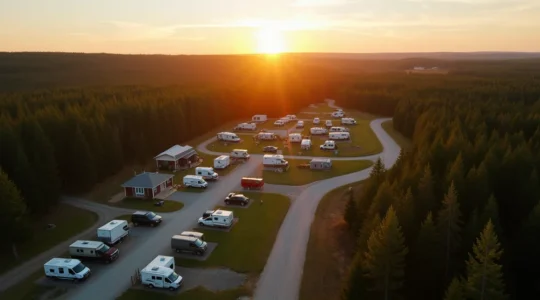
Investing in Campgrounds: A Real Estate Play or a Service Business?
Despite the picturesque setting, a campground is not a passive land investment; it’s a high-touch service business where profitability is dictated by infrastructure management, not just location. Your biggest financial risk isn’t market fluctuation, but the failure of unseen systems…
Read more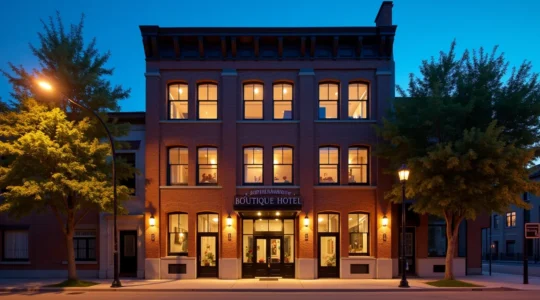
From Plex to Profit: The Developer’s Guide to Converting a Multiplex into a Boutique Hotel in Canada
Converting a Canadian multiplex into a boutique hotel is less about design and more about ruthless financial engineering. Zoning battles and non-negotiable code upgrades, particularly for sprinklers and fire exits, are the primary budget killers that must be solved before…
Read more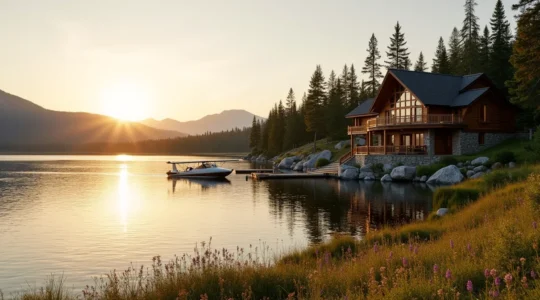
Buying a Pourvoirie: The Business of Luxury Wilderness, Not Just a Cottage
Owning a Canadian pourvoirie is less about real estate and more about acquiring and mastering a complex, capital-intensive remote hospitality business. The true value of the asset is found in its unique portfolio of legal rights (exclusive, leased, permits), not…
Read more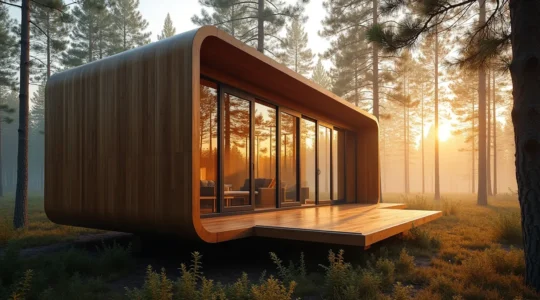
Eco-Pods and Tiny Cabins: High ROI on a Minimal Footprint?
The highest ROI from eco-pods in Canada comes not from their small size, but from their ability to deliver a high-value, sustainable luxury experience that commands premium nightly rates. Success hinges on navigating specific Canadian building codes and municipal zoning,…
Read more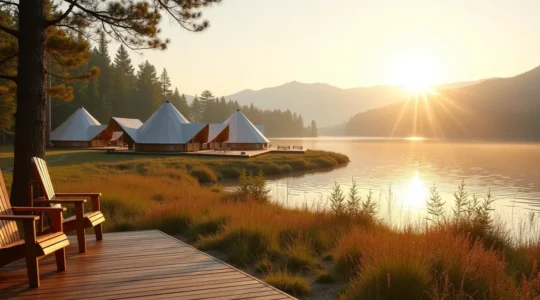
Hospitality in Quebec: Why Experience-Based Stays Are Outperforming Standard Hotels?
Success in Quebec’s tourism market no longer comes from building standard hotels, but from deploying asset-light, experience-heavy accommodation models that command premium prices. High-ROI niches like glamping, agrotourism, and wellness retreats leverage unique experiences to attract a dedicated clientele willing…
Read more