Destinations & Holidays
Canada’s diverse geography and rich cultural heritage have created a unique intersection between tourism and real estate investment. From the Laurentian mountains to the St. Lawrence estuary, from prairie agrotourism operations to coastal retreats, the relationship between destination appeal and property value shapes both lifestyle choices and financial opportunities. Understanding this connection is essential for anyone considering a vacation property, an investment in tourism-dependent real estate, or a lifestyle change that prioritizes access to recreational and cultural amenities.
This landscape is far more nuanced than simply buying a cottage or condo. It involves understanding seasonal revenue patterns, evaluating the economic resilience of different tourism markets, weighing the trade-offs between accessibility and isolation, and recognizing how local assets—from ski hills to Indigenous cultural experiences—translate into tangible property appeal. Whether you’re drawn to the quiet solitude of a lakefront retreat or the vibrant energy of an outdoor recreation hub, each destination type presents distinct opportunities and considerations worth examining in depth.
Winter Sports Economies and Seasonal Property Markets
Winter sports destinations represent one of Canada’s most dynamic tourism-real estate markets, where property values are intrinsically tied to snowfall reliability, lift infrastructure, and après-ski culture. The economic model of these communities operates on a unique rhythm that property owners must understand before committing capital.
Mountain Resorts Versus Local Ski Hills
The distinction between major mountain resorts and community ski hills profoundly impacts both lifestyle and investment returns. Established resorts like Mont-Tremblant offer international recognition, extensive amenities, and proven rental demand, but come with premium purchase prices and higher property taxes. These destinations attract visitors from across North America and internationally, creating a diverse renter base but also exposing properties to currency fluctuations and shifting travel patterns.
Local ski hills, by contrast, serve primarily regional markets with lower property acquisition costs and a more intimate community feel. Properties near these smaller operations typically experience less dramatic appreciation but also demonstrate greater stability during economic downturns. The trade-off involves accessibility—major resorts often offer direct shuttle services and well-maintained access roads, while local hills may require more self-reliance during winter months.
Managing Seasonality and Maximizing Shoulder Periods
The financial viability of winter sports properties hinges on revenue distribution across seasons. Traditional ski-focused destinations historically went dormant from April to November, creating significant carrying costs for property owners. Recent trends have shifted toward year-round activation, with mountain biking, hiking, and festival programming extending the earning window.
Shoulder season growth has become a critical factor in property performance. Properties offering four-season appeal—those with proximity to both winter and summer activities—command rental premiums and experience higher occupancy rates. Successful owners increasingly view their properties through a calendar lens, asking not just “How many ski weeks can I rent?” but “What experiences does this location offer in May, September, and October?”
Waterfront and Nature-Based Destinations
Water-oriented destinations, whether freshwater lakes or the St. Lawrence coastal ecosystem, represent a distinct category of tourism real estate with particular environmental and lifestyle considerations that extend beyond mere aesthetic appeal.
Lakefront Living: Balancing Beauty and Ecology
The allure of lakefront property is undeniable—the morning mist, the sound of lapping waves, the promise of swimming and boating define many Canadians’ vacation dreams. However, lake health and water quality directly impact both enjoyment and property values. Algae blooms, influenced by agricultural runoff and warming water temperatures, can transform a pristine lake into an unusable resource during peak summer weeks.
Prospective buyers should investigate:
- Historical water quality reports from provincial or territorial environmental agencies
- Watershed management practices and shoreline development regulations
- The presence of lake associations that actively monitor and advocate for water health
- Septic system requirements and their impact on construction costs
The isolation that makes lakefront properties appealing also presents practical challenges. Distance from healthcare facilities, limited internet connectivity, and seasonal road maintenance require a certain self-sufficiency. For some, this represents freedom; for others, it’s a dealbreaker that becomes apparent only after purchase.
Coastal Properties and Regional Economic Ecosystems
The St. Lawrence estuary economy differs fundamentally from inland lake markets. Coastal communities often blend tourism with working waterfronts—fishing operations, maritime heritage, and tidal ecosystems create a distinct sense of place that attracts a particular visitor profile. Properties in these areas benefit from proximity to culinary tourism centered on seafood, whale-watching operations, and the dramatic landscapes where river meets ocean.
Micro-climates along the coast create unexpected variations in property desirability. Areas benefiting from southern exposure and protection from prevailing winds may extend the comfortable outdoor season by several weeks compared to properties just kilometers away. Understanding these subtle geographic advantages requires local knowledge that goes beyond standard real estate listings.
Culinary Tourism and Agrotourism Investments
The farm-to-table movement has evolved from a dining trend into a significant tourism driver, creating opportunities for property owners willing to engage with agricultural heritage and local food systems.
Farm-to-Table Experiences and Accommodation Models
Farm stays and culinary-focused accommodations tap into visitors’ desire for authentic, place-based experiences. These properties range from working farms offering guest rooms to renovated rural properties emphasizing connections with nearby producers. The investment model differs from traditional vacation rentals—success depends less on luxury finishes and more on storytelling, relationships with local farmers, and the ability to facilitate genuine cultural exchange.
Revenue models for agrotourism properties typically combine accommodation income with experiential elements: cooking classes using local ingredients, farm tours, harvest participation, or wine and cheese tastings featuring regional products. This diversification can smooth seasonal fluctuations, as culinary experiences often peak during harvest periods that extend beyond traditional summer vacation weeks.
Terroir and Regional Food Heritage as Value Drivers
Quebec’s terroir concept—the unique combination of soil, climate, and tradition that defines regional food products—has proven remarkably effective at differentiating destinations and driving tourism. Properties located within recognized culinary regions, whether Quebec’s Eastern Townships cider route or Prince Edward County’s wine country, benefit from collective marketing efforts and established visitor flows.
Proximity to local producers isn’t merely a marketing angle; it fundamentally shapes the guest experience and operational model. Properties within a 15-minute drive of artisan cheesemakers, craft breweries, or organic market gardens can offer curated local experiences that larger resorts cannot replicate. This geographic authenticity creates defensible competitive advantages in an increasingly crowded vacation rental market.
Adventure and Experiential Tourism Markets
Active travelers seeking hiking, cycling, paddling, and wilderness experiences represent a growing segment with distinct property preferences and spending patterns.
Outdoor Recreation Hubs and Infrastructure Dependencies
Successful outdoor recreation destinations depend on maintained trail systems, access points, and supporting infrastructure that individual property owners cannot create alone. Properties near established mountain biking networks, extensive hiking trail systems, or paddling routes benefit from public and non-profit investments that enhance destination appeal without ongoing costs to property owners.
The logistics of adventure tourism—equipment rental availability, guide services, transportation to trailheads—influence visitor satisfaction and repeat bookings. Properties offering gear storage, bike wash stations, or shuttle arrangements to activity nodes command premiums over similarly sized accommodations lacking these amenities. Understanding what adventure travelers need beyond a bed and kitchen distinguishes successful investment properties from underperforming ones.
Cultural and Indigenous Tourism Experiences
Indigenous tourism has emerged as both a reconciliation pathway and a distinctive market segment. Properties located near Indigenous cultural centers, traditional territories offering guided experiences, or communities sharing their heritage through tourism create opportunities for visitors seeking meaningful cultural engagement beyond conventional sightseeing.
This market demands particular sensitivity and partnership approaches. Successful integration of Indigenous tourism elements involves authentic collaboration rather than appropriation, revenue-sharing arrangements that benefit communities, and educational components that foster genuine understanding. Properties positioned to facilitate these connections—whether through location or established relationships—access a visitor segment characterized by higher spending and longer stays.
Investment Strategies for Tourism-Linked Real Estate
Beyond location and amenities, successful tourism real estate investment requires understanding market dynamics and business models that align with your financial goals and management capacity.
Understanding Market Dynamics and Visitor Profiles
The balance between international and domestic markets fundamentally affects property performance and risk exposure. International visitors typically spend more per visit and stay longer, but are vulnerable to currency fluctuations, visa policies, and global events that disrupt travel patterns. Domestic markets offer stability but may be more price-sensitive and seasonally concentrated.
Event-based tourism creates both opportunities and risks. Properties near venues hosting concerts, festivals, or sporting events can achieve premium rates during event periods, sometimes earning a quarter of annual revenue across a few weekends. However, this concentration creates vulnerability if events are cancelled or relocated. Understanding the governance structure and financial stability of anchor events helps assess long-term viability.
Membership Models and Shared Ownership Structures
Membership economics offer alternatives to traditional ownership for both property developers and users. Fractional ownership, private residence clubs, and destination clubs allow investors to reduce capital requirements while maintaining access to desirable properties. For property developers, these models provide upfront capital and ongoing fee revenue while spreading maintenance responsibilities.
These structures work best in established destinations with proven demand and professional management infrastructure. The success factors include transparent governance, fair usage allocation systems, and alignment between member expectations and property capabilities. For buyers, membership models trade absolute ownership control for reduced financial commitment and access to multiple properties—a calculation that depends entirely on individual usage patterns and lifestyle priorities.
The Canadian tourism real estate landscape offers remarkable diversity, from Whistler’s alpine glamour to the quiet shores of Georgian Bay, from Charlevoix’s culinary excellence to the rugged beauty of coastal Newfoundland. Success in this market comes not from chasing the hottest destination or highest projected returns, but from understanding the specific economic drivers, seasonal patterns, and lifestyle trade-offs that define each property type. Whether your priority is personal enjoyment, rental income, long-term appreciation, or some combination, aligning your investment with realistic expectations and thorough due diligence remains the foundation of positive outcomes in this compelling intersection of travel, lifestyle, and real estate.

Cultural Proximity: Why Living Near Museums is an Investment in Quality of Life and Property Value
Choosing a home near a cultural institution is a strategic investment in your family’s intellectual and financial future, not just a lifestyle choice. Proximity creates “intellectual dividends” through spontaneous learning and engagement. Iconic architecture and the “Bilbao Effect” can significantly…
Read more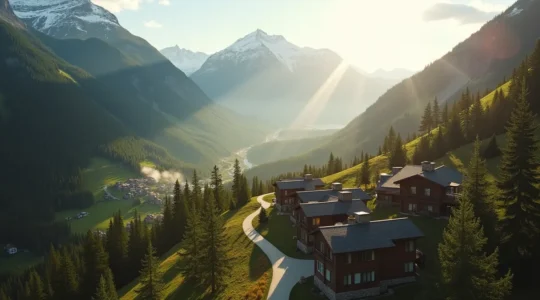
Trail Towns: Why Proximity to Hiking Networks Drives Real Estate Premiums
The real premium for “trailside” properties isn’t the view, but the legally guaranteed, well-managed access to a recreational network. Vast Crown lands and private easements mean “next to the woods” doesn’t guarantee access; due diligence on property rights is critical….
Read more
The Whale Route: Real Estate and Lifestyle in the St. Lawrence Estuary
Contrary to idyllic brochures, the true value of St. Lawrence real estate lies in mastering its unique environmental and economic challenges, not just admiring the view. Physical risks like coastal erosion and salt air corrosion are manageable but require specific…
Read more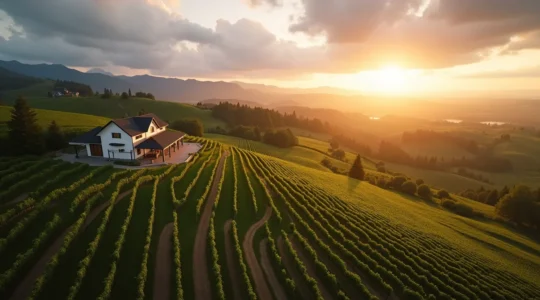
The Terroir Value: Why Vineyards and Orchards Boost Nearby Property Values?
The value of a country home near a vineyard isn’t just in the view; it’s a measurable economic asset called “Terroir Value,” driven by the symbiosis between protected agricultural land and a vibrant local artisan economy. Protected “Green Zones” create…
Read more
Quebec Tourism Trends: Why Investors Are Betting on Ecotourism and “Slow Travel”
Investing in Quebec tourism is no longer about chasing international volume; it’s about building a resilient portfolio that thrives on high-margin, hyper-local demand. Trends like ecotourism and ‘slow travel’ are not just ethical choices but strategic moves towards profitability, commanding…
Read more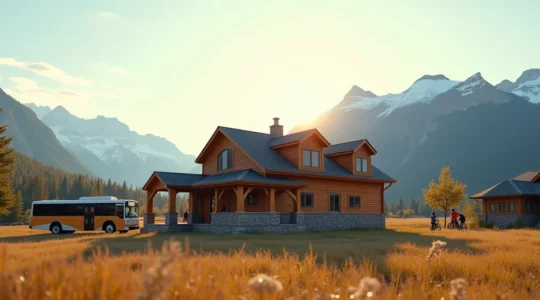
Regional Attractions: Why Buying Near a Major Tourist Draw is a Double-Edged Sword?
Buying near a Canadian tourist attraction isn’t a simple pro/con decision; it’s an investment in a complex ‘tourism ecosystem’ with its own unique risks and rewards. The financial appeal of seasonal rental income is often counterbalanced by lifestyle trade-offs like…
Read more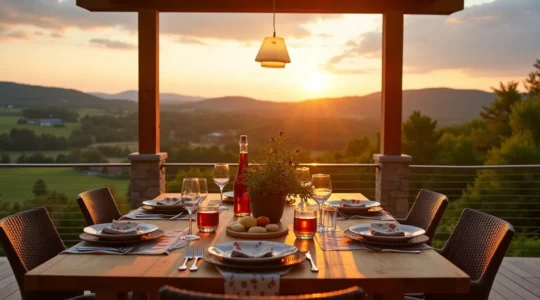
The Foodie Factor: How Gastronomy Drives Real Estate Demand in Regions like Charlevoix
Contrary to popular belief, the biggest driver of rental yield in Quebec’s tourism hotspots isn’t just a scenic view—it’s the proximity to a vibrant culinary ecosystem. Artisanal networks like cheese trails create a defensible “economic moat” for your property. Seasonal…
Read more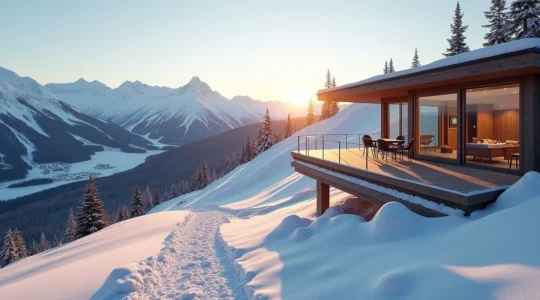
Ski-In/Ski-Out: Is the Premium for Slopeside Property Justified?
The premium for a ski-in/ski-out property is only justified if you operate it as a year-round business, not just a winter luxury. Winter rental income alone rarely covers annual costs; a robust four-season strategy targeting summer and shoulder-season guests is…
Read more