
Investing in Quebec tourism is no longer about chasing international volume; it’s about building a resilient portfolio that thrives on high-margin, hyper-local demand.
- Trends like ecotourism and ‘slow travel’ are not just ethical choices but strategic moves towards profitability, commanding premium prices for unique experiences.
- A focus on the domestic ‘Quebecor’ traveler and specialized markets like accessible tourism provides powerful insulation from global market shocks.
Recommendation: Investors should prioritize properties that can achieve value-driven certifications (eco, accessibility) and deliver authentic, non-replicable experiences.
For any investor surveying the travel industry, the landscape is crowded with buzzwords. Ecotourism, authentic experiences, and sustainable travel are touted as the definitive future, yet translating these trends into a clear investment thesis can be challenging. The conventional wisdom—to simply “go green” or offer something “unique”—lacks the strategic depth required to build a resilient and profitable portfolio. It overlooks the fundamental economic shifts occurring beneath the surface of traveler preferences, particularly within a mature and sophisticated market like Quebec.
The common approach is to view these trends as separate boxes to tick. But what if the true opportunity lies not in chasing individual fads, but in understanding a unified, underlying movement? The real story is the emergence of a tourism “Resilience Economy.” This is not just about being environmentally friendly or locally focused; it’s about making strategic choices that insulate assets from global volatility, command higher margins, and attract a more stable, less price-sensitive clientele. The shift from mass-market volume to high-value experiences is a calculated business decision, not just an ethical one.
This analysis moves beyond the platitudes to provide a concrete framework for the savvy investor. We will deconstruct the core pillars of Quebec’s new tourism economy, demonstrating how expanding the tourist season, focusing on the domestic market, and embracing certifications are not just trends, but key components of a low-risk, high-return strategy. This is a guide to investing in the future of Quebec hospitality—a future defined by resilience, authenticity, and sustainable profitability.
To fully grasp the investment potential, this article will explore the key pillars of this new tourism model. The following sections break down each trend, providing a clear roadmap for aligning your portfolio with the future of travel in Quebec.
Summary: Investment Opportunities in Quebec’s Evolving Tourism Sector
- Expanding the Season: How Regions Are attracting Tourists in November and April?
- The “Quebecor” Traveler: Why Focusing on Local Tourists is Safer Than Internationals?
- Accessibility Certification: How Making Your Property Wheelchair Friendly Opens Markets?
- Green Key Global: Does Eco-Certification Actually Bring More Guests?
- Indigenous Experiences: The Growing Demand for Authentic Cultural Tourism?
- Glamping vs. Camping: Why Travelers Pay 4x More for a Canvas Tent?
- Maple Syrup Season: How to Capitalize on the “Temps des Sucres” Rush?
- Hospitality in Quebec: Why Experience-Based Stays Are Outperforming Standard Hotels?
Expanding the Season: How Regions Are attracting Tourists in November and April?
For decades, Quebec’s tourism revenue was heavily concentrated in the summer months and the peak of winter. The shoulder seasons of late fall and early spring were considered operational dead zones. However, a strategic shift is underway to transform these periods into profitable opportunities. This isn’t a passive hope; it’s a well-funded, coordinated effort. For an investor, this represents a chance to acquire or develop assets with a previously untapped potential for year-round cash flow. The goal is to smooth out revenue curves and reduce reliance on a few peak weeks.
The key to this transformation lies in structured, government-backed initiatives. For instance, the Government of Canada announced significant funding of $21.1 million for the province’s industry through its Tourism Growth Program. This capital is not being deployed randomly; it’s funneled through mechanisms like the Regional Tourism Partnership and Digital Transformation Agreements (EPRTNT). These agreements foster synergy between local tourism partners, enabling them to develop cohesive, off-season offerings—from culinary festivals in November to early spring wildlife observation tours.
This coordinated approach de-risks investment. By targeting shoulder seasons, regions are creating new demand for accommodations, restaurants, and attractions. An investor entering this space is not creating a market from scratch but rather capitalizing on an emerging, strategically supported ecosystem. The opportunity lies in identifying properties that can anchor these new off-season experiences, thereby achieving higher occupancy rates and a more resilient annual revenue stream than their seasonally-dependent competitors.
The “Quebecor” Traveler: Why Focusing on Local Tourists is Safer Than Internationals?
While attracting international visitors often seems like the ultimate goal, a focus on the domestic “Quebecor” traveler offers a more stable and resilient investment thesis. The global travel disruptions of recent years have exposed the fragility of business models dependent on long-haul flights and open borders. In contrast, the local market provides a consistent, predictable, and economically significant customer base. This strategy is about market insulation—building a business that can thrive even when global conditions are uncertain.
The scale of the domestic opportunity is immense. In 2024, Statistics Canada reports that tourism generated $104.4 billion in revenues within Canada, showcasing the power of the national market. Quebecor travelers, in particular, explore their own province year-round. They seek weekend getaways, family vacations, and cultural experiences that are close to home. Their travel decisions are less affected by currency fluctuations, geopolitical events, or airline industry crises, making them a reliable source of demand.
Investing in properties and experiences tailored to this demographic—multi-generational families, couples seeking quiet retreats, or groups of friends exploring regional attractions—creates a defensive moat around the business. These travelers value authenticity, comfort, and a connection to their own culture, and are often willing to return to places that deliver a consistently high-quality experience. For an investor, this translates to lower customer acquisition costs and higher lifetime value, forming the bedrock of a secure and profitable hospitality asset.

This focus on local demand aligns perfectly with the rise of multi-generational travel, where grandparents, parents, and children seek shared experiences. Properties that cater to this dynamic, offering a blend of activities for different age groups, are positioned for sustained success.
Accessibility Certification: How Making Your Property Wheelchair Friendly Opens Markets?
In the quest for untapped markets, accessibility is often the most overlooked opportunity. Making a property accessible is frequently viewed as a cost or a compliance issue, rather than what it truly is: a strategic key to unlocking a large, loyal, and growing market segment. In Quebec, this is not a generic concept but a structured pathway to increased revenue, primarily through certification by Kéroul, the province’s leading organization for tourism and culture for people with disabilities. As Kéroul’s own guide states, it is the only certification recognized by Tourisme Québec, making it the official gateway to this market.
The business case is compelling. Investing in accessibility immediately opens your doors to a market representing roughly 15% of the Quebec population with disabilities, not to mention their families and travel companions. This clientele is known for its loyalty; once they find a destination that meets their needs, they are highly likely to return and recommend it to others. Furthermore, the global population is aging, and the demand for accessible travel is on a permanent upward trajectory. An accessible property is not just serving a niche; it is future-proofing its business model.
Achieving a Kéroul rating, whether “Accessible” or “Partially Accessible,” provides direct commercial benefits. Certified properties are prominently featured on the Tourisme Québec website, in regional tourist guides, and on Kéroul’s own “Québec For All” platform, effectively acting as a powerful marketing channel. The following table, based on Kéroul’s criteria, illustrates the two main tiers of certification an investor can target.
This table outlines the primary rating levels provided by Kéroul, which helps property owners understand the commitment required and the experience they can offer, as detailed in their official accessibility criteria guide.
| Rating Level | Criteria Met | Visitor Experience |
|---|---|---|
| Accessible | Meets all visitor accessibility criteria | Satisfactory experience for majority of people with mobility impairment |
| Partially Accessible | Meets main accessibility criteria with some missing elements | May affect experience of some people with mobility impairment |
Action Plan: Auditing a Property for Accessibility Potential
- Entry & Common Areas: Assess main entrances, reception, and hallways. Check for zero-step access, automatic doors, and corridor widths that accommodate a wheelchair.
- Guest Rooms & Washrooms: Inventory a sample of rooms and public washrooms. Look for roll-in showers, securely installed grab bars, and sufficient clear floor space for maneuverability.
- Amenities & Services: Review physical access to on-site attractions like restaurants, pools, or terraces. Are pathways clear of obstacles, well-lit, and made of a firm, stable surface?
- Information & Signage: Examine the property’s website and on-site navigational aids. Is accessibility information easy to find and detailed? Is there braille or large-print signage where needed?
- Certification Gap Analysis: Compare your audit findings against Kéroul’s public criteria for a “Partially Accessible” rating to create a prioritized list of upgrades and estimate the investment required.
Green Key Global: Does Eco-Certification Actually Bring More Guests?
The term “ecotourism” is ubiquitous, but for an investor, the critical question is whether it translates to tangible returns. Does securing an eco-certification like Green Key Global actually lead to higher occupancy and revenue? The answer is nuanced but points to a clear “yes,” provided it is viewed as a tool for market positioning rather than just an operational badge. Eco-certification is the mechanism that transforms sustainable practices into a marketable asset, attracting a specific, high-value demographic that actively seeks out and is willing to pay more for verifiably green accommodations.
This trend is supported by a healthy and growing tourism sector. The latest data shows that Canada’s tourism gross domestic product rose 1.6% in the last quarter of 2024, indicating robust consumer spending and a strong foundation for niche sectors to flourish. Within this thriving market, eco-conscious travelers represent a powerful segment. They use certifications like Green Key Global as a trusted filter to make their booking decisions. For them, a 4 or 5 Key rating is not a “nice-to-have”; it’s a prerequisite.
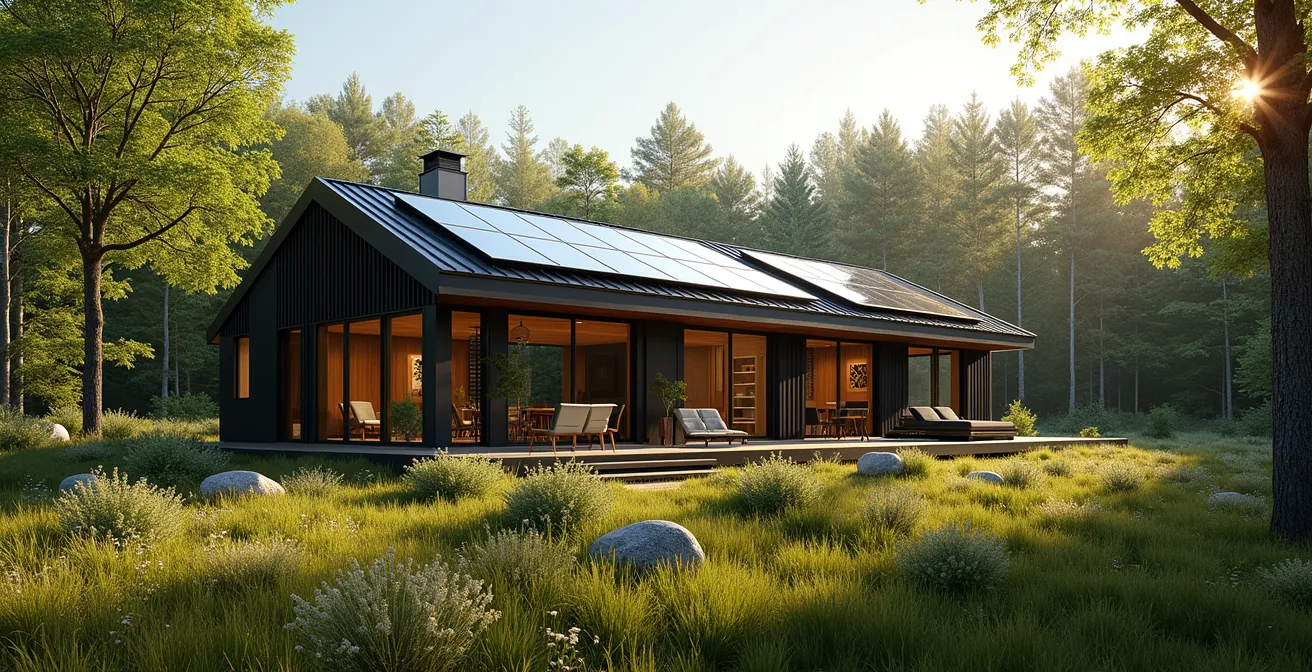
Therefore, the certification itself doesn’t magically bring guests; it provides the credibility needed to effectively market your property to this specific audience. It allows a property to stand out from competitors making vague “green” claims. By achieving a high rating, an establishment can justify premium pricing, build a brand around sustainability, and tap into corporate clients with ESG (Environmental, Social, and Governance) mandates for their business travel. The return on investment comes not from the certificate on the wall, but from the access it grants to a premium market segment that competitors cannot reach.
Indigenous Experiences: The Growing Demand for Authentic Cultural Tourism?
In a world of homogenized travel options, authenticity has become the ultimate luxury. One of the most powerful and rapidly growing trends in Quebec tourism is the demand for authentic Indigenous experiences. This goes far beyond simply visiting a site; modern travelers, both domestic and international, are seeking deep, meaningful engagement with the cultures, stories, and lands of Indigenous Peoples. For investors, this represents a unique opportunity to support and partner with businesses that offer something truly non-replicable—an authenticity moat that large hotel chains and generic tour operators cannot cross.
This demand is for genuine connection, not tokenistic displays. It’s about learning directly from Indigenous guides, hearing their stories, understanding their relationship with the land, and participating in activities that are culturally significant. These experiences command premium prices precisely because they are rare, personal, and transformative. Investment in this sector is not just about financial returns; it’s about participating in a model of tourism that is regenerative, respectful, and driven by community leadership.
Case Study: The Ungava Polar Eco-Tours Leadership Model
A powerful example of this trend in action is Ungava Polar Eco-Tours. Led by James May and Jonathan Grenier, two Inuit men with deep roots in their communities of Kuujjuaq and Tasiujaq, the company offers experiences grounded in a lifetime of local knowledge. Their expertise in guiding, fishing, and navigating the vast northern landscape is not something that can be trained or replicated. Guests are not just tourists; they are visitors learning from masters of their environment. This model demonstrates how Indigenous ownership and leadership are the core assets, creating an unparalleled and highly sought-after travel experience.
Investing in or partnering with such ventures offers a durable competitive advantage. The value lies in the human element and the deep cultural heritage, which are finite and precious resources. As travelers increasingly reject mass-market tourism in favor of more enriching journeys, properties and businesses that facilitate these authentic connections are positioned for exceptional, long-term growth.
Glamping vs. Camping: Why Travelers Pay 4x More for a Canvas Tent?
The evolution from traditional camping to “glamping” (glamorous camping) is a perfect microcosm of the broader shift in Quebec’s hospitality market: a move away from volume and towards high-margin value. Travelers are demonstrating a clear willingness to pay a significant premium—often three to four times the price of a standard campsite—for an experience that combines a deep connection to nature with the comforts of a boutique hotel. For an investor, understanding the “why” behind this price disparity is key to capitalizing on the margin over volume strategy.
The premium is not for the canvas itself, but for what it represents: effortless immersion. Traditional camping requires equipment, setup, and a degree of roughing it. Glamping removes all friction. Guests arrive to a fully furnished tent with a comfortable bed, high-quality linens, heating, and often private washroom facilities. It democratizes the outdoor experience, making it accessible to those who love nature but are not prepared for the rigors of camping. It’s an experience-driven product, not a commodity.
Pioneering eco-resorts like Le Baluchon Éco Villégiature exemplify this model, proving that integrating luxury amenities with sustainable practices can create a powerful and profitable brand. The investment here is in the curated experience: the Instagrammable aesthetic, the comfort, the direct access to pristine landscapes without any of the work. This model attracts a clientele that values time and experience over pure cost savings, and is willing to pay handsomely for the convenience and comfort of a turnkey nature retreat.

By focusing on a lower volume of high-paying guests, glamping operations can often achieve higher profitability with a smaller environmental and operational footprint than large-scale campgrounds or hotels. The investment is in the quality of the micro-experience, not the scale of the infrastructure.
Maple Syrup Season: How to Capitalize on the “Temps des Sucres” Rush?
The “Temps des Sucres,” or maple syrup season, is a cultural cornerstone in Quebec. For generations, it has been a beloved local tradition. From an investment perspective, however, it represents a hyper-concentrated opportunity to capitalize on a uniquely Quebecor experience that has massive appeal beyond the province’s borders. The challenge and opportunity for an investor is to elevate a traditional sugar shack experience from a local curiosity into a premium, export-ready tourism product.
Capitalizing on this rush means moving beyond the all-you-can-eat pancake breakfast. The modern traveler is looking for a more sophisticated and immersive experience. This could involve guided tours of the maple forest explaining the modern and traditional production techniques, maple-based spirit tastings, cooking classes with renowned chefs using maple as a core ingredient, or luxury accommodations directly on-site at a working “érablière.” It’s about taking the core authentic product—maple syrup—and building a multi-layered, high-value experience around it.
Government programs are in place to support this very type of product enhancement. The federal Tourism Growth Program aims to help SMEs and communities enhance regional tourism products precisely to attract visitors from outside Quebec. An investor who can develop a sugar shack experience that is both authentic and elevated can tap into this support, marketing it as a must-do Canadian cultural pilgrimage. The key is to create a product that is not just a meal, but a memorable event that justifies a premium price point and an overnight stay, transforming a seasonal rush into a highly profitable anchor for a rural hospitality business.
Key Takeaways
- Shift from Volume to Value: The most successful investments will pivot from serving the mass market to capturing high-margin revenue from unique experiences like glamping, authentic cultural tourism, and elevated seasonal offerings.
- De-Risk with a Domestic Focus: Building a business model around the stable, year-round demand from Quebecor travelers and specialized niches (like accessible tourism) creates a far more resilient asset than one dependent on the volatile international market.
- Certification as a Revenue Driver: Eco-labels like Green Key and accessibility certifications from Kéroul are not operational expenses; they are strategic investments that unlock access to dedicated, high-value customer segments and justify premium pricing.
Hospitality in Quebec: Why Experience-Based Stays Are Outperforming Standard Hotels?
The fundamental equation of hospitality in Quebec is changing. The traditional model, focused on providing a clean room and a convenient location, is being systematically outperformed by a new paradigm: experience-based stays. Today’s traveler is not just buying a place to sleep; they are investing their time and money in memorable experiences that offer connection, learning, and personal enrichment. For an investor, this means that the value of a hospitality asset is no longer solely in its physical structure, but in its ability to deliver a unique and compelling narrative.
This shift is encapsulated by the “slow travel” movement. As the tourism experts at Visit Québec City note, this approach is about creating a more meaningful journey.
Slow travel is another way to have a more meaningful and enriching travel experience—to really get a feel for the local culture and enjoy the present moment.
– Visit Québec City, Ecotourism in Québec City
This philosophy is the direct opposite of a checklist-driven vacation. It prioritizes depth over breadth, and properties that facilitate this are winning. This can be a farm-stay where guests help with the harvest, a lodge that offers guided ethnobotany walks, or a hostel like Aventure Rose-des-Vents, which functions as a cultural hub for travelers and locals alike. These businesses are not just selling a bed; they are selling participation in a community and a way of life.
Standard hotels with standardized rooms and impersonal service struggle to compete with this. Their model is easily commoditized and subject to intense price competition from online travel agencies. In contrast, an experience-based property has a powerful, defensible story. Its uniqueness is its marketing. The investment thesis is clear: assets that provide a platform for authentic, immersive, and educational experiences will generate superior returns, command greater guest loyalty, and hold their value far better than their commodity-based counterparts.
To capitalize on these defining trends, the next step for any serious investor is to evaluate potential properties not just on their location or balance sheet, but on their intrinsic capacity to deliver the certified, authentic, and resilient experiences that define the future of Quebec hospitality.