Renovation & Improvement
Renovating a home in Canada presents unique challenges that go far beyond aesthetics and personal taste. Whether you’re breathing new life into a century-old heritage property in Montreal, weatherproofing a suburban bungalow in Calgary, or maximizing a compact condo in Vancouver, every renovation decision ripples through structural integrity, energy consumption, resale value, and long-term maintenance costs. The country’s extreme climate variations—from coastal humidity to prairie cold snaps—demand that homeowners think strategically about every upgrade.
This comprehensive overview connects the fundamental principles of successful renovation with the practical realities of Canadian homeownership. From navigating permit requirements and managing contractor relationships to understanding when a foundation crack signals danger or which heating system will survive February at -30°C, you’ll gain the framework to approach renovation projects with confidence. The goal isn’t to make you an expert in every trade, but to equip you with enough knowledge to ask the right questions, prioritize wisely, and avoid costly mistakes that plague unprepared homeowners.
Why Renovation Requires More Than a Vision Board
The difference between a renovation that adds value and one that drains your savings often comes down to planning. Successful projects typically allocate 10-20% of the total budget as contingency for unexpected discoveries—and in Canadian homes, especially those built before the 1970s, surprises are the norm rather than the exception. That beautiful plaster might hide knob-and-tube wiring. Those hardwood floors could conceal asbestos tiles underneath.
Contractor verification stands as your first line of defense. In Canada, licensing requirements vary by province and trade. Quebec’s Régie du bâtiment du Québec (RBQ) mandates specific licenses, while other provinces rely on voluntary certification systems. Always verify insurance coverage, check references from projects completed at least two years prior, and never pay more than a third upfront. Timeline management becomes critical when Canadian weather limits exterior work to short seasonal windows—a roofing project delayed into November can mean waiting until spring.
Material procurement deserves equal attention. Supply chain disruptions have made lead times unpredictable, and certain specialized products for heritage restoration or energy-efficient builds can take months to arrive. Ordering windows, custom cabinetry, or specific flooring materials before demolition begins prevents costly delays where contractors sit idle while you’re still paying holding costs.
Understanding What You’re Actually Working With
Before selecting paint colours or countertop materials, you need an honest assessment of your property’s structural bones. Foundation types vary significantly across Canada—poured concrete in newer builds, stone foundations in heritage homes, and even wood piles in some older rural properties. Each presents different challenges and renovation possibilities. A qualified home inspector familiar with your region’s typical construction methods can identify whether those basement cracks result from normal settling or indicate a more serious structural shift.
Pre-1970 homes carry particular considerations that affect renovation scope and budget. These properties often feature beautiful architectural details worth preserving—crown molding, original hardwood, leaded glass windows—but they also commonly contain asbestos in flooring and insulation, lead paint, aluminum wiring, and plumbing that’s reached the end of its service life. Removing or encapsulating asbestos requires licensed professionals in all Canadian provinces, with costs ranging from $5,000 to $25,000 depending on extent and accessibility.
The deferred maintenance trap catches many first-time renovators. That bargain-priced older home might seem like an opportunity, but if the previous owner postponed roof replacement, foundation waterproofing, and furnace updates, you’re not buying a fixer-upper—you’re buying someone else’s accumulated repair bills. Calculate these essential systems costs before committing to cosmetic upgrades.
Energy Efficiency: Not Optional in Canadian Climates
Canadian winters make energy efficiency a financial imperative, not an environmental luxury. A poorly insulated home in Winnipeg can hemorrhage hundreds of dollars monthly in heating costs. The good news? Federal and provincial programs currently offer substantial incentives for energy upgrades. The Canada Greener Homes Grant provides up to $5,000 for eligible improvements, while provinces like British Columbia and Ontario offer additional rebates for heat pumps, insulation, and air sealing.
The blower door test serves as your energy audit starting point. This diagnostic tool measures air leakage and identifies exactly where conditioned air escapes—often around windows, electrical outlets, attic hatches, and rim joists. Addressing air sealing before adding insulation is crucial; insulation slows heat transfer, but air leaks allow it to bypass insulation entirely. Achieving 2.5 air changes per hour at 50 pascals (a common building science target) can reduce heating costs by 20-30% in older homes.
Heat pump selection has evolved dramatically as technology improved for cold climates. Modern cold-climate heat pumps now function efficiently down to -25°C or lower, making them viable across most of Canada. These systems provide both heating and cooling—increasingly important as summer temperatures rise—while using a fraction of the energy consumed by electric baseboards or older furnaces. Pairing a heat pump with proper insulation and air sealing creates a thermal envelope that maintains comfort while slashing utility bills.
Window upgrades balance aesthetics, thermal performance, and budget constraints. Energy Star ratings specific to Canadian climate zones help you select appropriate windows—what works in Vancouver’s mild winters won’t suffice in Thunder Bay. Triple-pane windows with low-E coatings and argon fill offer the best performance, though double-pane windows properly installed still deliver significant improvements over single-pane originals. Historic district constraints may limit exterior changes, but interior storm windows can improve thermal performance while preserving heritage character.
The Core Systems That Determine Livability
Electrical systems in homes built before 1980 often require comprehensive upgrades to support modern living. Aluminum wiring, common in homes built during the 1960s-70s copper shortage, poses fire risks at connection points and typically requires either complete replacement or professional remediation with specialized connectors. Your panel’s amperage capacity—often just 100 amps in older homes—may struggle with electric vehicle charging, heat pumps, and the cumulative load of modern appliances. Upgrading to a 200-amp service costs between $2,500-$4,500 but proves essential for comprehensive renovations.
Smart home integration during renovation makes practical sense when walls are already opened. Running Cat6 ethernet cable, adding electrical outlets where you’ll want devices, and installing proper electrical boxes for smart switches costs minimal additional labour during construction but becomes expensive to retrofit later. Safety devices including AFCI (Arc Fault Circuit Interrupter) and GFCI (Ground Fault Circuit Interrupter) breakers are now code requirements in most provinces for specific areas and provide crucial protection against electrical fires and shocks.
Plumbing updates frequently become necessary when renovating kitchens or bathrooms, but they also present opportunities to address hidden problems. Galvanized steel pipes, common in homes built before 1960, corrode from the inside out, gradually restricting water flow. Replacing these during renovation prevents future emergency repairs that require cutting into finished walls. Water supply reliability matters particularly in rural areas where well systems may need pressure tank upgrades, water treatment, or increased capacity to support additional bathrooms or irrigation systems.
Renovations That Transform How You Actually Live
Kitchen renovations deliver the highest impact on daily life and typically offer strong return on investment—though not dollar-for-dollar. Expect to recoup 60-80% of kitchen renovation costs at resale in most Canadian markets, with higher percentages in competitive urban areas. The key is balancing personal needs with broad market appeal. Layout optimization trumps expensive finishes; a well-designed work triangle with adequate counter space outperforms luxury countertops in a dysfunctional layout.
Countertop durability matters more in kitchens that see heavy use. Quartz offers near-indestructible performance without the maintenance requirements of natural stone. Porcelain slabs provide heat resistance and design flexibility. Even laminate has evolved beyond the dated patterns you remember, now offering surprisingly convincing stone and wood looks at a fraction of the cost. Cabinetry quality varies enormously—flat-pack particleboard boxes won’t last a decade, while properly constructed plywood cabinets with dovetail drawers remain functional for thirty years or more.
Bathroom renovations similarly balance ROI with livability improvements. Proper ventilation prevents moisture damage that plagues Canadian homes—a quality exhaust fan vented to exterior (never into the attic) is non-negotiable. Heated floors transform winter mornings and add minimal operating cost when installed over proper insulation. Plumbing relocation gets expensive quickly since moving drains requires accessing floor joists, but sometimes repositioning a toilet or shower unlocks significantly better layouts in cramped spaces.
Heritage floor restoration preserves value in older homes while revealing beautiful materials hidden under carpeting or damaged finishes. Canadian homes often feature maple, oak, or even rare species like birch and ash in original flooring. Identifying wood types guides appropriate refinishing approaches—maple’s tight grain requires finer sandpaper grits than oak’s open grain. Water damage from radiator leaks or roof problems can often be repaired by cutting out affected boards and weaving in period-appropriate replacements. Squeak elimination, while seemingly minor, dramatically improves comfort in multi-story homes.
Protecting Your Investment From Canadian Weather
Foundation waterproofing becomes critical in regions experiencing freeze-thaw cycles and seasonal groundwater fluctuations—which describes most of Canada. Quebec’s clay soils and dramatic temperature swings create particularly challenging conditions. Exterior waterproofing membrane applied during construction or excavation provides the most reliable protection, but properly installed interior drainage systems with sump pumps offer effective solutions when exterior access proves impractical or prohibitively expensive.
French drains around the foundation perimeter intercept groundwater before it reaches basement walls. These require proper slope (minimum 1% grade), quality filter fabric to prevent soil infiltration, and discharge to a suitable location—storm sewer connection where permitted, or daylight drainage on sloped lots. Sump pump reliability deserves attention since failure during spring melt or heavy rain causes exactly the kind of damage it’s meant to prevent. Battery backup systems or water-powered backup pumps provide protection during power outages that often coincide with severe weather.
Crack injection methods for foundation repairs range from simple DIY polyurethane foam kits (appropriate for minor settling cracks) to professional epoxy or urethane injection for structural cracks. Understanding the difference prevents both unnecessary expense and inadequate repairs. Horizontal cracks, stair-step patterns in block foundations, and cracks wider than 5mm typically require engineering assessment before repair.
Roofing and exterior care protect everything else you’ve invested in the home. Asphalt shingles dominate Canadian residential roofing due to cost-effectiveness and adequate performance, typically lasting 15-25 years depending on quality and climate exposure. Metal roofing, while more expensive upfront, can last 50+ years and sheds snow more effectively—a consideration in heavy snowfall regions. Proper attic ventilation and insulation prevent ice dams that plague many Canadian homes, causing water backup under shingles and interior damage.
Smart Choices for Resale Value and Regulations
Navigating permit requirements protects you legally and financially. Most Canadian municipalities require permits for structural changes, electrical and plumbing work, additions, and significant renovations. The permitting process, while sometimes frustrating, ensures work meets building code standards—critical for insurance coverage and future sale. Unpermitted work can derail real estate transactions when discovered during home inspections, forcing retroactive permits, re-opening finished work for inspection, or even complete removal.
Heritage property designations add complexity but also provide opportunities. Municipal, provincial, or federal heritage status may restrict exterior changes and require approval for renovations, but grants and tax incentives often offset these constraints. Preserving architectural character while upgrading systems requires creativity—interior storm windows maintain exterior appearance while improving energy efficiency, and modern mechanicals can be routed through closets or chases to avoid damaging historic plaster and trim.
Strategic renovations for resale focus on projects offering the strongest return: kitchen and bathroom updates, enhanced curb appeal through landscaping and exterior refresh, and resolving deferred maintenance that triggers buyer concerns. Neutral finishes appeal to broader markets than bold personal choices, though regional preferences vary—what sells in Toronto condos differs from expectations in Calgary suburbs. Energy efficiency upgrades increasingly influence buyer decisions, particularly among younger purchasers prioritizing lower operating costs and environmental impact.
Ultimately, successful renovation balances your immediate needs with long-term value protection. Whether you’re planning to stay for decades or positioning for sale within a few years, understanding how different projects interact—how air sealing multiplies insulation effectiveness, why electrical upgrades enable future technology, when foundation repairs become urgent versus monitored—empowers better decisions. The Canadian real estate market rewards homes that combine character, comfort, and low maintenance demands. Approach your renovation with patience, professional guidance where complexity demands it, and a realistic budget that accounts for both the expected and the inevitable surprises hiding behind those walls.
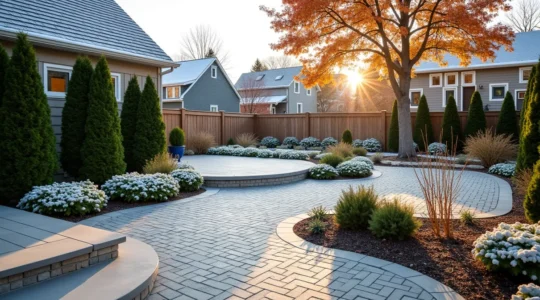
Quebec Landscaping: Designing a Backyard That Survives Winter and Shines in Summer
The key to a beautiful Quebec backyard isn’t choosing ‘hardy’ plants; it’s engineering a resilient four-season system where every element—from the ground up—is selected to master our extreme freeze-thaw cycles. Flexible interlock pavers prevent heaving and cracking where rigid concrete…
Read more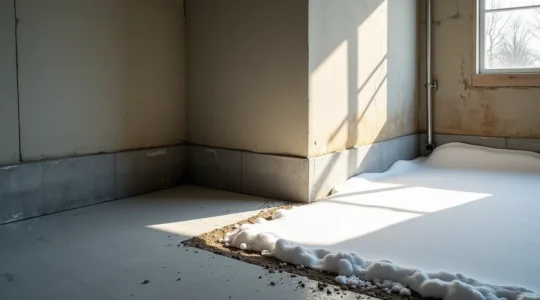
Foundation Waterproofing: How to Keep Your Basement Dry During Canada’s Spring Thaw
Protecting your foundation from the Canadian spring thaw is a battle against hydrostatic pressure and the freeze-thaw cycle, not just dampness. Traditional solutions like tar and basic French drains often fail under the specific pressures of Quebec’s clay soil and…
Read more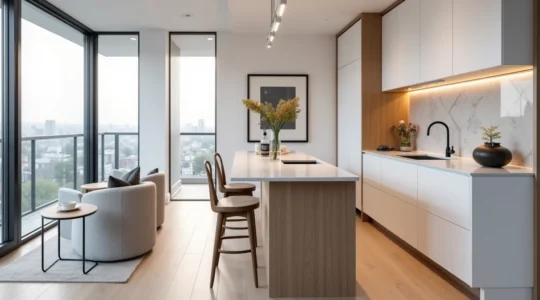
Kitchen Renovations: How to Design a Chef’s Kitchen in a Small Condo?
In summary: Ditch the outdated “work triangle” for modern, ergonomic “work zones” tailored to your cooking style. Invest strategically in high-touch surfaces and hardware; save on elements that don’t impact daily workflow. Master layered lighting to eliminate shadows and create…
Read more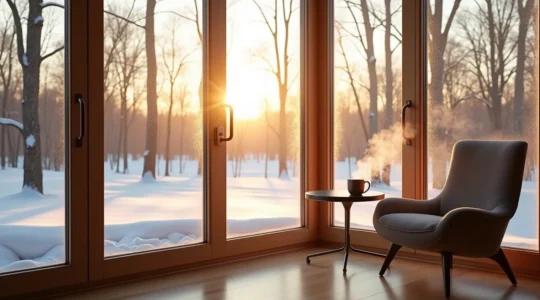
Window Replacement: Triple Glaze or Double Glaze for Quebec Winters?
The critical choice isn’t double vs. triple glaze; it’s about engineering a complete, high-performance window system that survives Quebec winters and qualifies for grants. A high-end triple-pane window is useless if compromised by a cheap frame or a “retrofit” installation…
Read more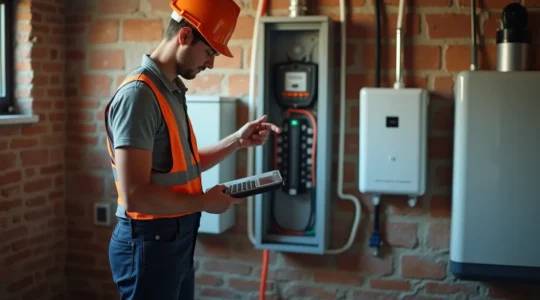
Electrical Panels: Why Your 100-Amp Box Is Obsolete for Modern Living
Your 100-amp panel is not just undersized for your new EV or hot tub; it’s a critical safety liability that most Canadian insurance companies will no longer cover. Outdated systems like fuse boxes and aluminum wiring present significant fire hazards…
Read more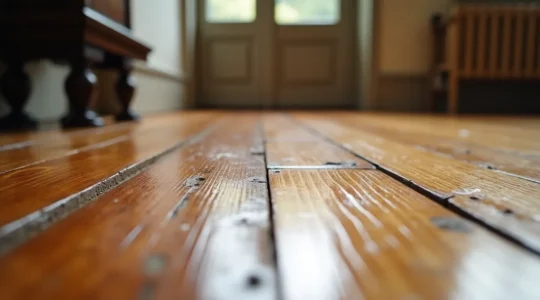
Hardwood Restoration: Sanding vs. Replacing for Maximum ROI
Refinishing your original hardwood floors yields a far greater return on investment than replacing them, especially in the Canadian heritage market. Restoration preserves irreplaceable old-growth timber, a quality modern materials cannot replicate. Advanced techniques can repair significant damage, including deep…
Read more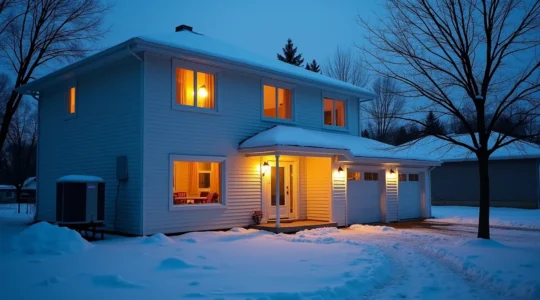
Quebec Energy Grants: A Rénoclimat Advisor’s Guide to Maximizing Your Funding
Stop getting lost in the maze of Quebec’s energy grants; the key isn’t which grant to pick, but the strategic order you use them. The Rénoclimat evaluation is the non-negotiable first step that unlocks all major funding. Your grant money…
Read more
Revitalizing the “Shoebox” Home: How to Modernize Without Destroying Character?
Successfully renovating a Montreal shoebox or plex isn’t about choosing new finishes; it’s about strategically negotiating with the building’s hidden structural and material history. The desire for an open-plan layout is dictated by “structural ghosts”—1920s load-bearing walls that require engineering,…
Read more
Renovation Management: How to act as Your Own General Contractor in Quebec?
Successfully acting as your own General Contractor in Quebec hinges less on project management skills and more on mastering a specific legal and operational framework to mitigate local risks. Rigorous contractor vetting through the RBQ’s official registry is non-negotiable to…
Read more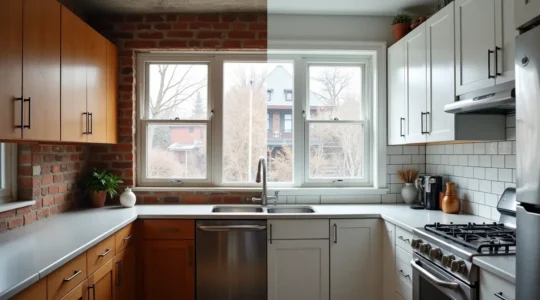
Resale Value: Which Renovations Actually Pay Off in the Quebec Market?
Maximizing your home’s resale value in Quebec isn’t about expensive overhauls; it’s about making strategic, data-driven decisions that yield the highest return on investment. Focus on high-impact, cost-effective updates in kitchens and curb appeal over luxury additions like pools that…
Read more