Second Homes
Owning a second home in Canada represents more than just a real estate investment—it’s a lifestyle choice that offers a personal retreat from urban routines, a connection to nature, and the promise of creating lasting family memories. From lakefront cottages in Ontario’s Muskoka region to mountain chalets in British Columbia, Canadians have long embraced the tradition of seasonal properties. Yet the reality of second home ownership involves navigating unique challenges that differ significantly from primary residence management.
The Canadian context adds particular complexity to vacation property ownership. Harsh winters, remote locations, seasonal road maintenance, and extended periods of vacancy require careful planning and specialized knowledge. Whether you’re considering a property exclusively for summer enjoyment or seeking a year-round retreat, understanding the technical, logistical, and lifestyle implications will help you make informed decisions and protect your investment for years to come.
Understanding Year-Round vs Seasonal Property Distinctions
The distinction between seasonal leisure properties and year-round homes fundamentally shapes every aspect of ownership, from construction requirements to insurance premiums. This decision impacts not only how you’ll use the property but also the legal obligations, maintenance demands, and financial considerations you’ll face.
Seasonal Properties: Design and Limitations
Traditional seasonal cottages were built for warm-weather occupancy only, typically from May through October. These structures often feature minimal insulation, basic heating systems, and plumbing designed to be winterized and drained before freezing temperatures arrive. In many cottage country areas, these properties sit on private roads that municipalities don’t maintain during winter months, making access difficult or impossible when snow accumulates.
The advantages of seasonal properties include lower construction costs, reduced property taxes in some jurisdictions, and simplified maintenance during the usage period. However, owners must commit to thorough seasonal closing and opening procedures—draining water systems, shutting off utilities, securing against wildlife intrusion, and protecting against potential winter damage from heavy snow loads or ice dams.
Year-Round Homes: Enhanced Systems and Access
Year-round vacation homes require substantially different infrastructure. These properties need full insulation to Canadian building code standards, reliable heating systems capable of maintaining safe temperatures during extended absences, and properly buried water lines below the frost line (which varies from 1.2 meters in southern Ontario to over 2 meters in northern regions).
The investment in four-season construction pays dividends in flexibility and property protection. Owners can enjoy winter activities, make spontaneous visits during shoulder seasons, and maintain climate control year-round to prevent moisture damage, frozen pipes, and structural issues. Many provinces have specific building code requirements for year-round occupancy that don’t apply to seasonal structures, including enhanced foundation specifications and proper moisture barriers.
The Critical Winter Accessibility Challenge
Winter accessibility represents one of the most underestimated challenges for Canadian second home owners. What seems like a minor inconvenience during property viewings on sunny summer days becomes a critical concern when you need to reach your property during a January cold snap or after a major snowfall.
Road Maintenance and Municipal Services
Understanding who maintains access roads is essential. Public roads under municipal jurisdiction typically receive regular plowing during winter months, though the frequency and timing vary considerably between urban-adjacent areas and remote regions. Private roads serving cottage associations present more complexity—maintenance depends entirely on the road association’s budget, equipment, and commitment level.
Many cottage communities operate on a cost-sharing model where property owners contribute annual fees for road maintenance. However, some associations explicitly exclude winter service to reduce costs, leaving roads impassable from the first significant snowfall until spring thaw. Before purchasing, review the road association’s bylaws, maintenance schedule, and fee structure to understand exactly what services you’re entitled to receive.
Emergency Access Considerations
Emergency access becomes paramount when properties are used during winter months or located in remote areas. If a heating system fails during a cold snap, frozen pipes can cause thousands of dollars in damage within hours. Remote monitoring systems can alert you to temperature drops or power failures, but they’re only useful if you can actually reach the property to address the problem.
Consider these practical access factors:
- Distance from the nearest year-round maintained road and whether that final stretch is navigable by standard vehicle or requires a truck or snowmobile
- Availability of local caretaker services who can respond to emergencies when you cannot
- Cell phone coverage and internet connectivity for remote monitoring systems to function reliably
- Proximity to emergency services and realistic response times during severe weather conditions
Conducting a Comprehensive Technical and Lifestyle Audit
Before committing to a second home purchase or when evaluating whether your current property meets your evolving needs, a thorough technical and lifestyle audit provides clarity on both the property’s condition and its alignment with your actual usage patterns.
Technical Systems Assessment
The technical audit should examine all critical systems through the lens of vacancy tolerance and remote location challenges. Heating systems must be evaluated not just for their capacity to warm the space when occupied, but for their reliability during extended unmanned operation and their fuel source accessibility (propane delivery schedules, electric grid reliability, or wood supply logistics).
Water and septic systems deserve particular scrutiny in Canadian vacation properties. Well water quality can vary seasonally, septic systems may have limited capacity for larger gatherings, and both require specific winterization procedures if the property won’t maintain above-freezing temperatures year-round. Foundation and structural elements should be assessed for moisture intrusion, proper drainage, and the ability to withstand heavy snow loads common in many Canadian regions.
Lifestyle Compatibility Evaluation
The lifestyle component of the audit requires honest self-assessment about how you’ll actually use the property versus idealized expectations. Track questions like: How many weekends did you realistically visit last season? Do you prefer rustic simplicity or modern conveniences? Is the property suitable for aging in place if mobility becomes limited? Can it accommodate your extended family comfortably?
Many owners discover that their usage patterns shift over time. Young families might prioritize swimming and outdoor space, while empty-nesters may value ease of maintenance and accessibility over acreage. Properties that felt adventurously remote in your thirties may feel burdensome in your sixties. Regular lifestyle audits help you recognize when it might be time to modify the property, adjust your approach, or consider whether it still serves your needs.
Storage Solutions and Locker Logistics
Effective storage planning transforms vacation home management from a logistical headache into a streamlined system. The unique challenge of second homes lies in maintaining two complete households while minimizing what you transport between locations and protecting seasonal equipment during off-periods.
On-Site Storage Strategy
Dedicated storage areas should accommodate seasonal equipment that remains at the property year-round. This includes watercraft, winter sports gear, lawn maintenance equipment, and seasonal furniture or dock sections. Climate-controlled storage spaces protect valuable items from extreme temperature fluctuations and humidity that can damage electronics, sporting equipment, and furniture.
Many properties benefit from multiple storage solutions: a weatherproof shed for lawn equipment and fuel storage (following fire safety regulations for gasoline and propane), a locked area within the cottage for sporting equipment and tools, and elevated or pest-proof storage for seasonal textiles and pantry items. Consider wildlife-resistant latches and doors, as raccoons, mice, and bears are remarkably persistent in rural Canadian settings.
The Two-Household System
Successful second home owners typically maintain complete duplicates of frequently used items rather than transporting them back and forth. Kitchen basics, bedding, toiletries, cleaning supplies, and basic tools should live permanently at the vacation property. This approach reduces packing time, eliminates forgotten essentials, and allows for spontaneous visits.
For items used seasonally, establish clear storage protocols: label containers by season and contents, document valuable items with photos for insurance purposes, and maintain an inventory of what’s stored where. This system proves invaluable when you can’t remember whether you left the good fishing rods at the cottage or brought them home for the winter.
Managing Emergency Access Risks
Emergency scenarios at vacation properties carry heightened risk due to distance, delayed detection, and limited immediate response options. A proactive approach to emergency planning minimizes both the likelihood of incidents and their potential severity when they occur.
Establish a comprehensive emergency protocol that includes:
- Remote monitoring systems that track temperature, water sensors for leak detection, and security cameras accessible via smartphone apps
- Local contact networks including a trusted neighbor or property manager who can respond quickly to system alerts or weather events
- Utility redundancy such as backup generators for critical systems, battery backups for sump pumps, and alternative heating sources
- Clear emergency information posted prominently for guests, including the property’s 911 address, nearest hospital location, and emergency contacts
Insurance considerations become more complex with vacation properties. Many standard policies require properties to be checked regularly during periods of vacancy—often every three to four days during winter months—or coverage for certain perils may be voided. Specialized vacation property insurance typically costs more but provides coverage appropriate to the unique risks of seasonal or remote properties.
Owning a second home in Canada offers tremendous rewards: a refuge from daily pressures, a place where family traditions take root, and an investment in experiences rather than mere possessions. Success in this endeavor comes from approaching ownership with realistic expectations, thorough planning, and systems that make management sustainable rather than burdensome. By understanding the nuances between property types, preparing for seasonal challenges, and establishing robust maintenance protocols, you create the foundation for years of enjoyment rather than stress. Your second home should enhance your life—and with proper preparation, it absolutely can.

The Classic Cottage: Is a Three-Season Property a Smart Buy in Quebec?
Contrary to popular belief, a three-season cottage in Quebec is not just a cheaper house; it’s an entirely different asset class governed by the province’s unique environmental and financial rules. The true cost isn’t the purchase price, but the potential…
Read more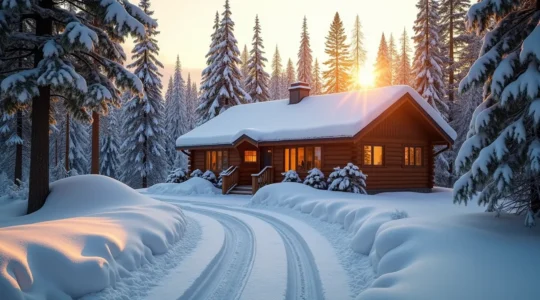
Four-Season Chalets: How to Avoid Buying a Summer Cottage in Disguise
A “four-season” label means nothing until its core systems are stress-tested against a -30°C Canadian reality; true year-round value lies in resilience, not just accessibility. Access is more than a plowed road; it’s about grade, drainage, and private maintenance contracts…
Read more